Last call
The door clicked behind the last pair of accountants, and the street noise died with it. Marcus flipped the sign, then the deadbolt, and stood a moment with his palm on the wood as if the night might try to come back in. The bar was a narrow room of oak and low lamps. Every other chair was already inverted, legs in the air, except the two at the far end of the zinc counter and the pair at the corner table where she still sat.
Elena had been there since eight, working through a bottle of Chenin he would not have poured for a tourist. She was thirty-one; she had said so in the way people do when the evening gets long, holding up her driver’s license with a laugh that did not quite land. Marketing director, divorced in March, still wearing the ring groove on her finger like a pale scar. She closed her laptop now and watched him lock up.
“You’re done,” she said.
“I am if you are.”
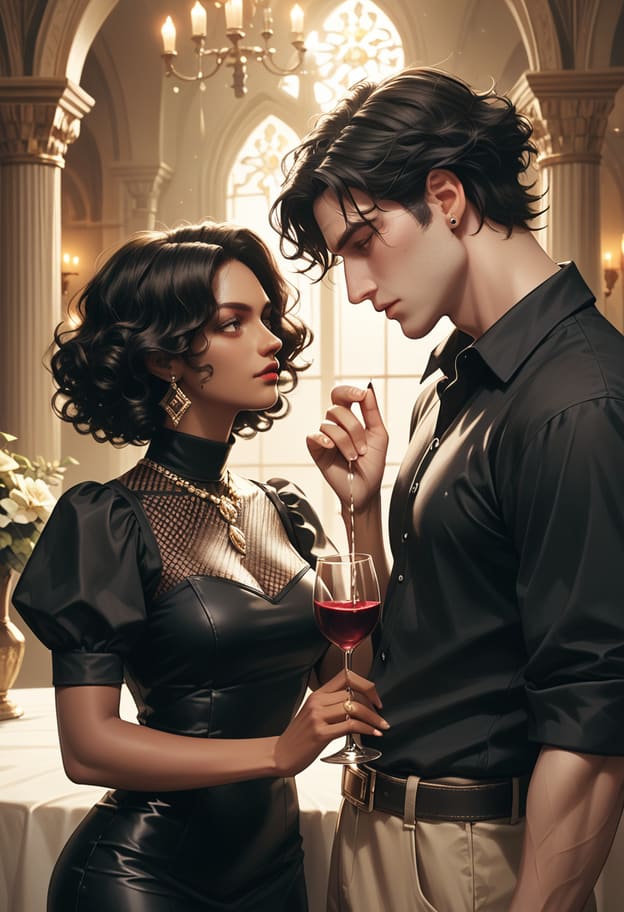
He came around with the bottle anyway. The pour was short, the color the same pale gold as the light on her wrist. He set the glass in front of her and did not step back.
“One more glass. On the house. If you stay.”
She looked at the glass, then at his mouth. “And if I don’t?”
“Then I drink it myself and put your chair up with the rest.”
She stayed. He pulled the second chair out and sat across from her, close enough that his knee found the outside of hers under the table. The radio behind the bar had been turned down to a murmur of piano. Somewhere a cooler hummed. Elena lifted the glass, took one sip, and set it down again. Condensation beaded and ran.
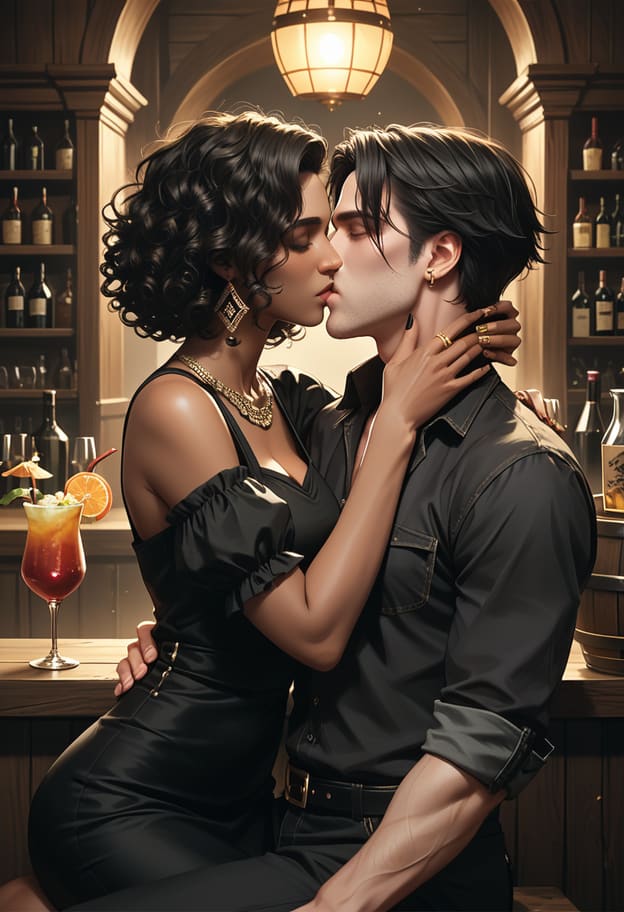
“You always pour for women who linger?”
“Only the ones who know the difference between this and the house white.” He nodded at the bottle. “You ordered it by the vineyard. Most people point.”
“I used to buy it for dinners I hated.” Her thumb traced the stem. “I don’t hate this one.”
He reached across and covered her hand. Her skin was warm from the glass. She did not pull away. For a minute they only listened to the piano and the tick of the old clock over the door. Then